
How to Choose Everyday Essentials That Are Right for You
The things we use every day don’t always get much thought.
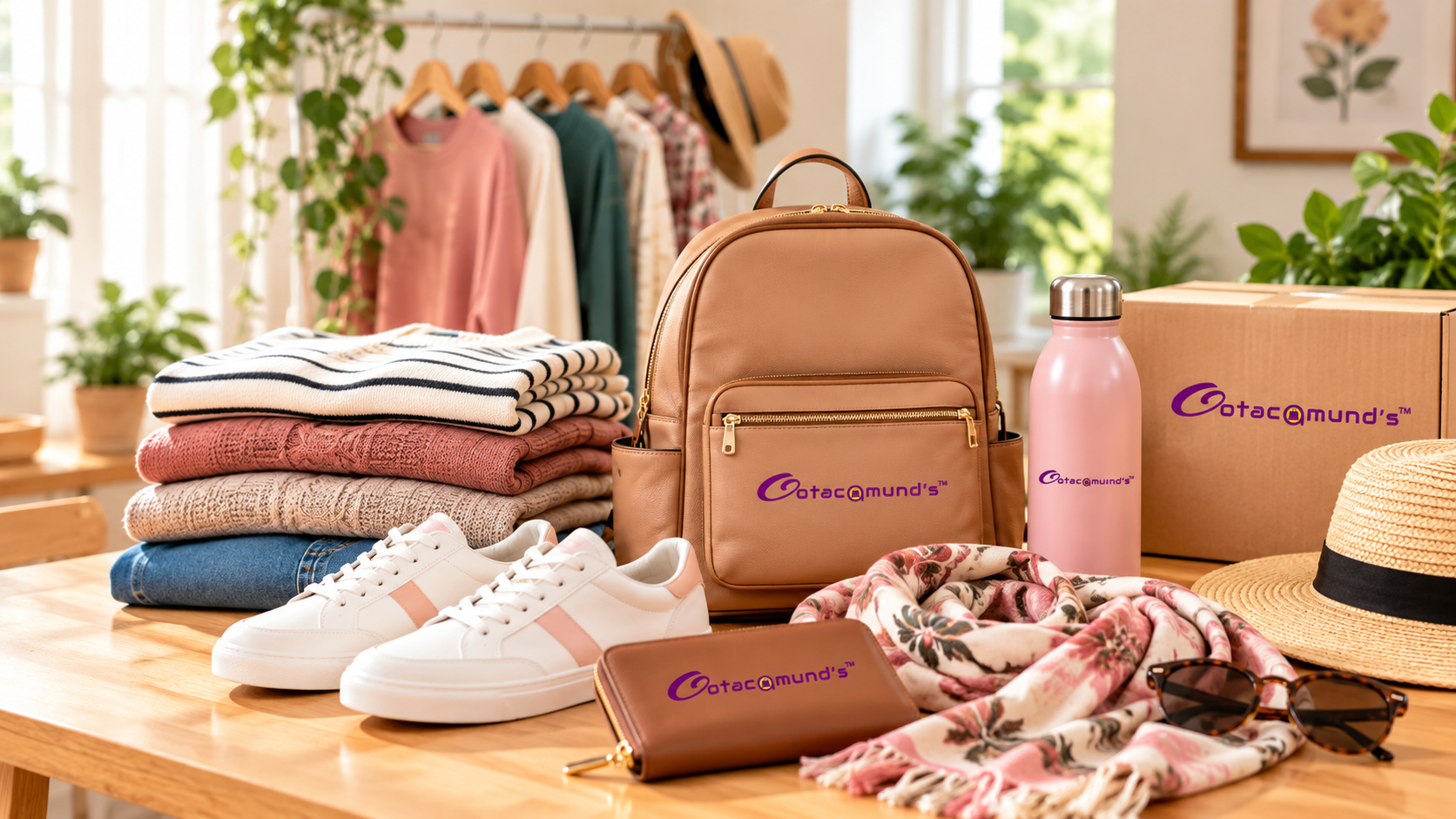
A bag we carry to work.
Shoes we wear regularly.
Clothes that become favourites.
Accessories that complete an outfit.
A useful item that quietly makes everyday life easier.
These everyday essentials may be simple, but choosing the right ones can make a noticeable difference.
Instead of buying something simply because it looks good, think about how it will fit into your everyday life.
Here’s a simple way to start.
1. Think About How You’ll Use It
Before choosing an everyday item, think about where and how you will use it.
For example, when choosing a bag, consider:
- What do you need to carry?
- How often will you use it?
- Do you need multiple compartments?
- Will you carry it for long periods?
- Do you need something compact or spacious?
The same principle applies to clothing, footwear and accessories.
An item that works beautifully for one situation may not be the right choice for another.
2. Choose Comfort for Everyday Wear
When something is going to be used regularly, comfort matters.
For clothing, consider:
- Fit
- Fabric
- Breathability
- Stretch
- Ease of movement
For footwear, consider:
- Size
- Width
- Cushioning
- Support
- Intended use
Something can look great in a photograph but still not be the right everyday choice if it doesn’t feel comfortable.
3. Consider Your Personal Style
Everyday essentials don’t have to be boring.
Think about the colours, shapes and styles you naturally reach for.
If your wardrobe already contains many neutral colours, a carefully chosen accessory can add a little personality.
If you prefer simple styling, versatile pieces may work better because they can be combined with more of what you already own.
The goal isn’t to follow every trend.
It’s to find things that feel naturally you.
4. Look at Versatility
One of the easiest ways to get more value from an everyday item is to choose something that works in more than one situation.
For example, a versatile piece may work for:
- Everyday outings
- Work or college
- Casual occasions
- Travel
- Weekend plans
Before buying, ask:
How many situations can I realistically use this for?
The answer can help you decide whether something is a useful addition or simply an impulse purchase.
5. Pay Attention to Materials and Construction
The material of a product can affect how it looks, feels and performs over time.
When product information is available, look for details about:
- Fabric or material
- Construction
- Finish
- Care requirements
- Weight
- Durability-related features
For clothing, understanding the fabric can help you anticipate how it may feel and how it should be cared for.
For bags and accessories, construction details can help you understand how the item is designed to be used.
6. Check the Details Before Buying
Product photographs give you a first impression, but the written product information often tells you much more.
Before placing an order, check:
- Size
- Dimensions
- Material
- Colour
- Features
- Care instructions
- Included items
- Product-specific information
Taking an extra minute to read these details can help you make a more informed choice.
7. Think About What You Already Own
Before adding something new to your collection, consider what you already have.
Ask:
Will this work with things I already own?
A new bag that works with several outfits may be more useful than one that only suits a single look.
Similarly, a versatile pair of shoes or an everyday accessory may become a regular favourite because it fits naturally into your existing lifestyle.
8. Choose for Your Real Life
It’s easy to imagine a product fitting into an ideal version of our lives.
But the best everyday purchases are usually the ones that fit the life we actually live.
If you’re always travelling, practicality may matter more.
If you’re frequently on your feet, footwear comfort may be especially important.
If you prefer simple wardrobes, versatility may be more valuable than having many different styles.
Think about your routine first.
Then choose accordingly.
9. Quality Doesn’t Always Mean Expensive
Price can be one factor when comparing products, but it isn’t the only thing that matters.
Look at the complete picture:
- What is the product made from?
- How will you use it?
- Does the design suit your needs?
- Is it versatile?
- Does it appear well suited to regular use?
- Does it provide the features you actually need?
A product that fits your needs well can provide more practical value than something that simply costs more.
A Simple Everyday Shopping Checklist
Before buying an everyday essential, ask:
☐ Will I actually use this regularly?
☐ Does it suit my lifestyle?
☐ Is it comfortable or practical for its intended use?
☐ Does it work with things I already own?
☐ Have I checked the size or dimensions?
☐ Have I read the material and product details?
☐ Does the product offer the features I actually need?
☐ Am I buying it because I need or genuinely want it?
Choose Things That Become Part of Your Life
The best everyday essentials are often the things we stop noticing because they simply work.
They fit comfortably.
They suit our routine.
They go with what we already have.
And, over time, they become favourites.
At OOTACAMUND, we want discovering those kinds of products to feel simple and enjoyable.
From clothing and footwear to bags, accessories, gifts and more, take a moment to explore, compare and choose what feels right for you.
Because sometimes, the smallest find can make the biggest difference to an ordinary day.